
Great British
Insulation Scheme
Could you insulate your home for free* and lower your energy bills? Terms and conditions apply.
Get free* insulation with the Great British Insulation Scheme
Are you a homeowner or private renter looking to save money by becoming more energy efficient? The Great British Insulation Scheme (GBIS) will do just that by installing free* cavity wall insulation (CWI), helping you to save an average yearly energy cost of £2401. Savings are based on a semi-detached house, and eligibility criteria will apply.
* Cavity wall insulation eligibility criteria.
To qualify for free cavity wall insulation, you'll need to own your own home, and your council tax band is between A and E with an EPC rating of D or lower. Or your home has an EPC rating of D or lower, and either you or someone you live with is in receipt of one of the listed benefits below. If scaffolding is required to install CWI, there could be a cost, but we'll let you know before you decide to go ahead.
First time loft insulation
Alternatively, you could save £2302 a year by having first-time loft insulation installed for a contribution of £500. If you already have a layer of loft insulation, you can still benefit from a top up under the scheme, but you will need to pay a higher contribution.3 Savings are based on a semi-detached house, and eligibility criteria will apply.
What's the eligibility
criteria for GBIS?
If you meet the following eligibility criteria you could benefit from free cavity wall insulation through the Great British Insulation Scheme:
- You're on qualifying benefits, and you are a homeowner with an EPC of D to G
- Or you privately rent your home and have an EPC of D or E.
- Or you are a homeowner and have an EPC rating of D or lower and a council tax band of A to D in England and A to E in both Wales and Scotland.
Qualifying benefits:
- Income-based Job Seekers Allowance
- Income-based Job Seekers Allowance
- Income Support
- Pension Credit
- Guarantee Credit
- Working Tax Credit
- Child Tax Credit
- Universal Credit
- Housing Benefit
If you qualify through our online eligibility checker, we'll need to perform a no-obligation home survey to make sure we can install insulation.
Which route will you qualify for?
If you qualify through either route 1 or 2, you'll get free* cavity wall insulation.
Alternatively, for a £500 contribution3, you could get first-time loft insulation, but if you already have an existing layer of loft insulation, you'll need to pay a higher contribution. You may also need to pay for scaffolding4 if required. A home survey and terms and conditions apply to all installations.
Route 1
Eligibility criteria
- Your home has an EPC rating of D or below
- You or someone you live with is in receipt of one of the above benefits
Route 2
Eligibility criteria
- Own your home
- Your council tax bands is A to D or A to E in Wales and Scotland
- Your home has an EPC rating of D or below
What is the Great British Insulation Scheme (GBIS)?
The government insulation scheme started out as ECO+, with the aim of helping eligible UK homeowners install home insulation to make their homes more energy efficient with energy-saving improvements. At the heart of the scheme are affordability and comfort, so if you make your home more energy efficient, it will keep a consistent temperature, making it more cost-effective and cosy. The scheme was launched in the summer of 2023 and will run until March 2026.
Here are the energy-efficient upgrades that are available through Eco Grants 4 You:
- Cavity wall insulation
- Loft insulation
- Room in roof insulation
We’ll recommend the most suitable upgrade for you.

How you'll benefit from cavity wall insulation

Save on your energy bills
Filling your cavity walls with insulation will save you about £2401 a year on your heating bills.

25-year guarantee
We're a Qualitymark-accredited installer, so your insulation comes with an insurance-backed guarantee (IBG).

Sustainability
You'll also be doing your bit for climate change by saving 650kg7 of CO2 a year.
How does cavity wall insulation work and what are the cost savings with GBIS?
Depending on when your home was built, you may have cavity or solid walls. The cavity is where there is a space between the inner and outer walls of your home. If it’s left without insulation, there is nothing to stop the heat you generate from being lost. We’ll fill your cavities with insulation to keep your home warmer in the winter and cooler in the summer.
Our insulation comes with an insurance-backed guarantee that lasts for 25 years, giving you peace of mind that the insulation will keep on working and saving you money on energy bills for years to come. And the good news is, if you’re eligible, we will install it for free.* Check if you qualify with our online eligibility checker.
Read more about cavity wall insulation grants.
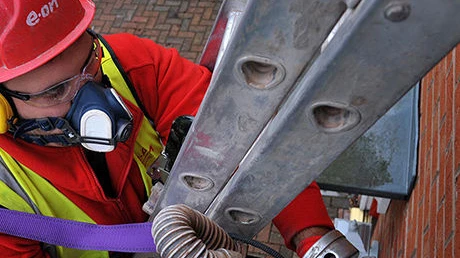
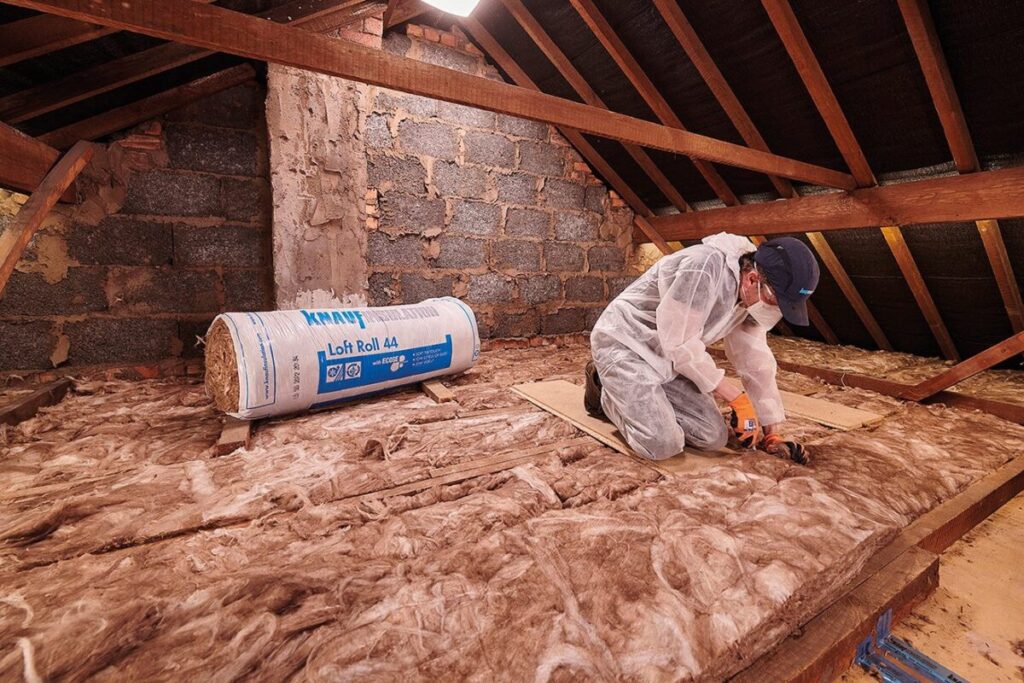
How you'll benefit from loft insulation with Eco Grants 4 You
Cut down your energy bills
Save up to £2302 a year on your energy bills by properly insulating your roof or loft space.
2-year guarantee
Your insulation comes with a 2 year workmanship guarantee6 and we're a Qualitymark-accredited installer.
Lowering your carbon footprint
Taking steps towards reducing climate change by saving 600kg8 of CO2 a year.
Does loft insulation work and will GBIS help make energy savings?
Yes, it does, and here’s why: any house with a loft needs insulation to keep the heat in the living area from escaping through layers of insulation that may no longer work as well as it once did. Most homes already have some insulation in the loft or roof space, but over time it loses its effectiveness and may not be at the recommended level of 270mm, costing you more in energy bills. If you’re eligible, we can install a new blanket of insulation to reach the recommended level to help your home stay nice and cosy this winter and help towards reducing your energy costs.
If your home doesn’t have any loft insulation, we can install it for a £500 contribution. But if you already have a layer of insulation but it’s not to the recommended level of 270mm, you will need to pay a higher contribution.
This will be subject to eligibility criteria, a home survey, and terms and conditions. Check if you qualify through our online eligibility checker.
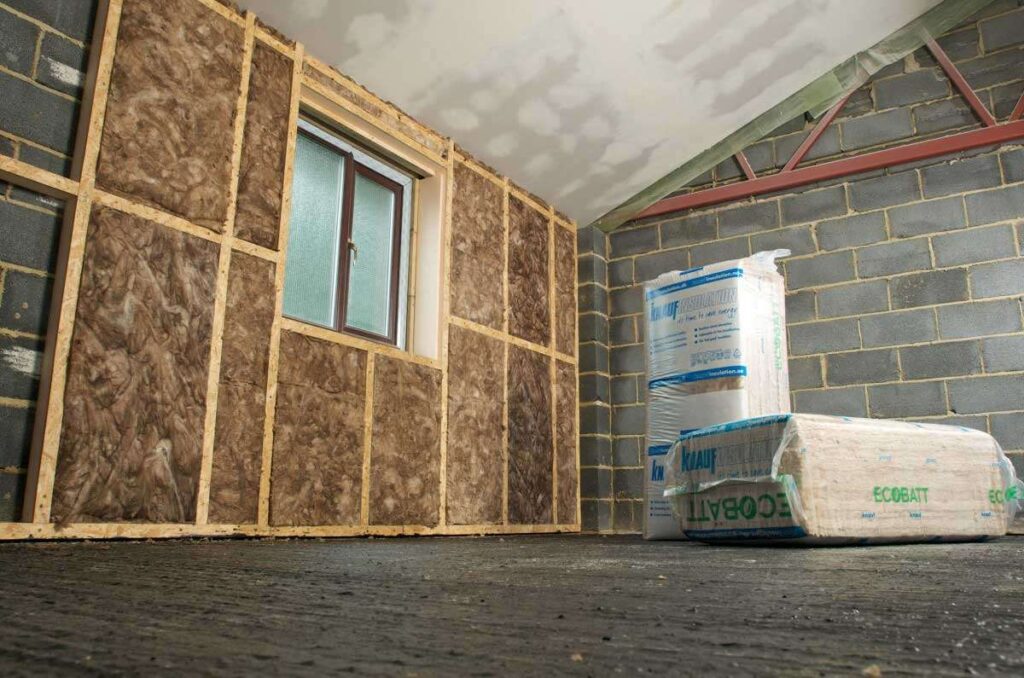
How you'll benefit from room in roof insulation
Secure a grant
Eligible applicants will receive a £4,500 grant that goes towards the installation. Find out more about the room in roof insulation grant.

Create a cosy home
As 25% of your heat is lost in an un-insulated room in the roof, you could save you up to £230 a year on your bills by insulating the rooms in your roof.
Future-proofing
Save on your energy bills and increases the value and desirability of your home.
How does room in roof insulation work?
Room in roof insulation involves fitting insulation boards between the rafters of attic conversions or loft rooms, to create a thermal barrier that reduces heat loss and lowers energy bills. This type of insulation is suitable for lofts converted into living spaces, making them warmer and more energy-efficient.
You could qualify for grants or funding that covers the vast majority of the cost. Find out more about room in roof insulation grants, or check your eligibility with our online grant finder.
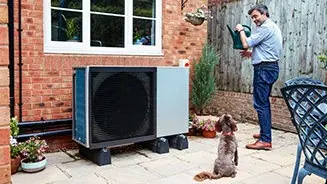
You could reduce your energy costs further with an air source heat pump
An air source heat pump generates its heat from the air, not only will it help cut your energy costs, it’ll also reduce the amount of carbon dioxide11 you put into the air, creating a greener future. With the boiler upgrade scheme, the government will provide £7,50012 towards the cost of installation.
If you want your air source heat pump to work as efficiently as possible, you’ll need to make sure your house is well insulated. If your home’s loft and walls don’t have enough insulation, heat will escape, making the heat pump work harder and possibly removing any savings you made on energy.
Insulating your home will help you save money on energy costs, whether you’re looking to buy a heat pump or just make your home more energy efficient.
Improve the energy efficiency of your home with GBIS and Eco Grants 4 You
The Great British Insulation Scheme is your pathway to a more sustainable, energy-efficient home. By enhancing insulation and exploring complementary solutions like air source heat pumps, you'll not only reduce your energy bills but also make a significant contribution to a greener future. Start your journey towards a more comfortable, cost-effective, and eco-friendly home with warm insulation.
GBIS FAQs
What's the difference between ECO4 and GBIS?
In early 2022, the ECO4 scheme targeted those living in homes with low EPC ratings and qualifying benefits, but it excluded those from the least energy-efficient households that don't receive additional government support. The Great British Insulation Scheme will help hundreds of thousands of homeowners insulate their homes.
How do I check my council tax band?
Please visit check your council tax band.